
Promoting the Bagpipe Revival since 1986
The Bagpipe Society
Gaida Making in Greece - Part II
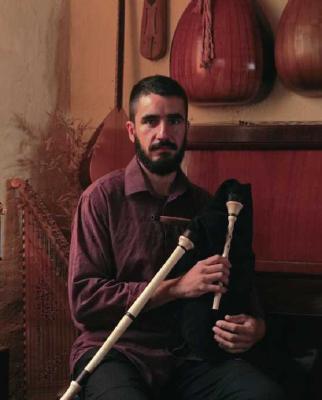
In the previous part we explored how the craftsmanship of gaida-making, flourished within the agro-pastoral societies of the southern Balkans, where shepherds and skilled craftsmen played a central role in the development of the instrument. In these communities, marked by introversion and self- sufficiency, the bagpipe functioned as a primary medium through which cultural values were expressed and sustained. The political developments that unfolded, particularly in the aftermath of World War II, brought about gradual yet profound transformations within these societies. The shifts experienced in rural life directly influenced both musical practices and the instruments used to embody them. This part therefore traces the trajectory of the bagpipe and its craftsmanship within this newly emerging social context.
...Member only article
Members have exclusive access to the most recent two years of articles, and can download PDFs of Chanter editions. You are not signed in as a member. To read the whole of this article, please join the Bagpipe Society or sign in.


Something wrong or missing from this page? Let us know!